
Cabinet Buying Information for Gaithersburg, MD
Sort cabinet preferences from the room constraints that affect your order.
Send my cabinet inquiry
Or call (562) 203-3232. Calls only, we do not receive text messages.
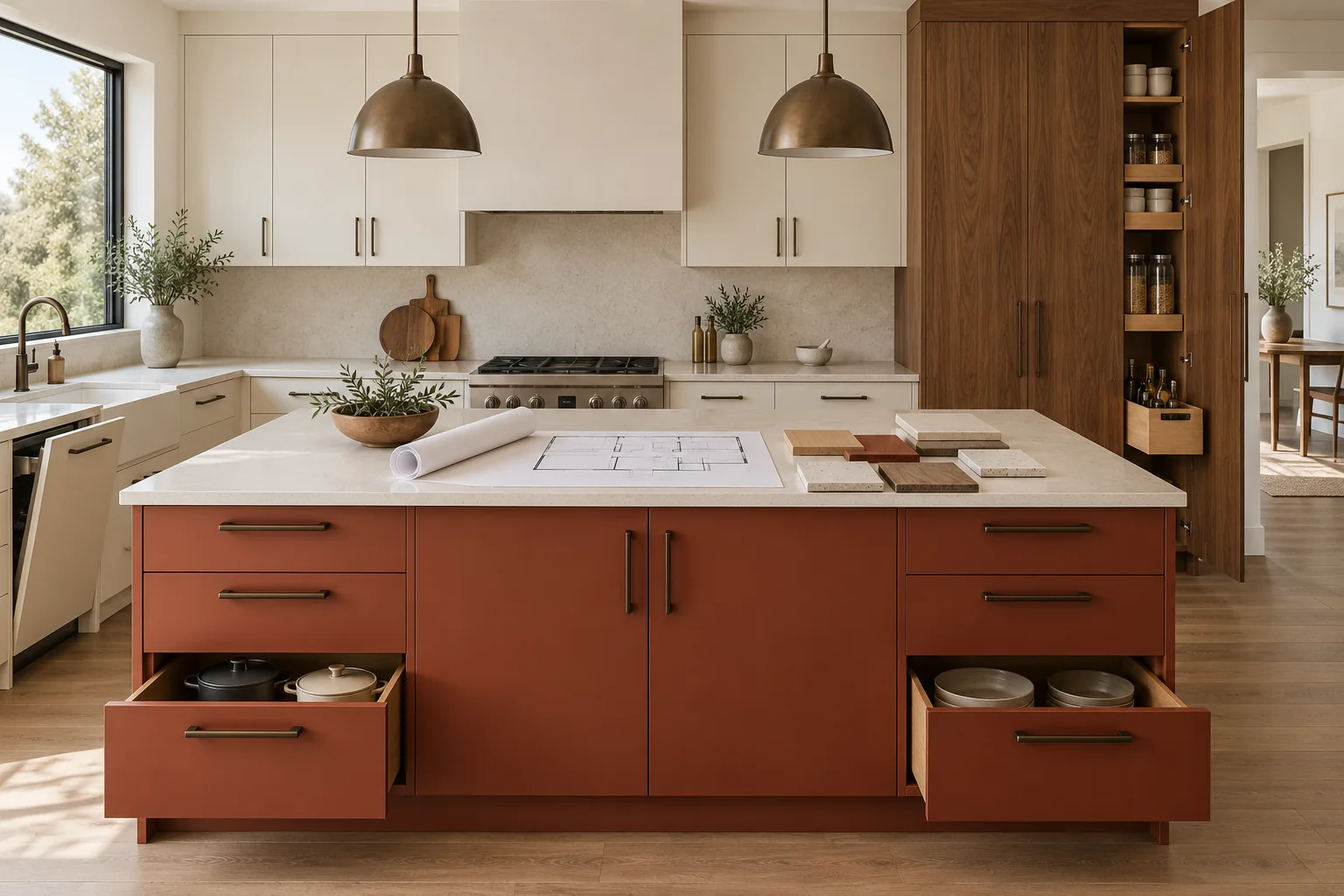
Cabinet product illustrations
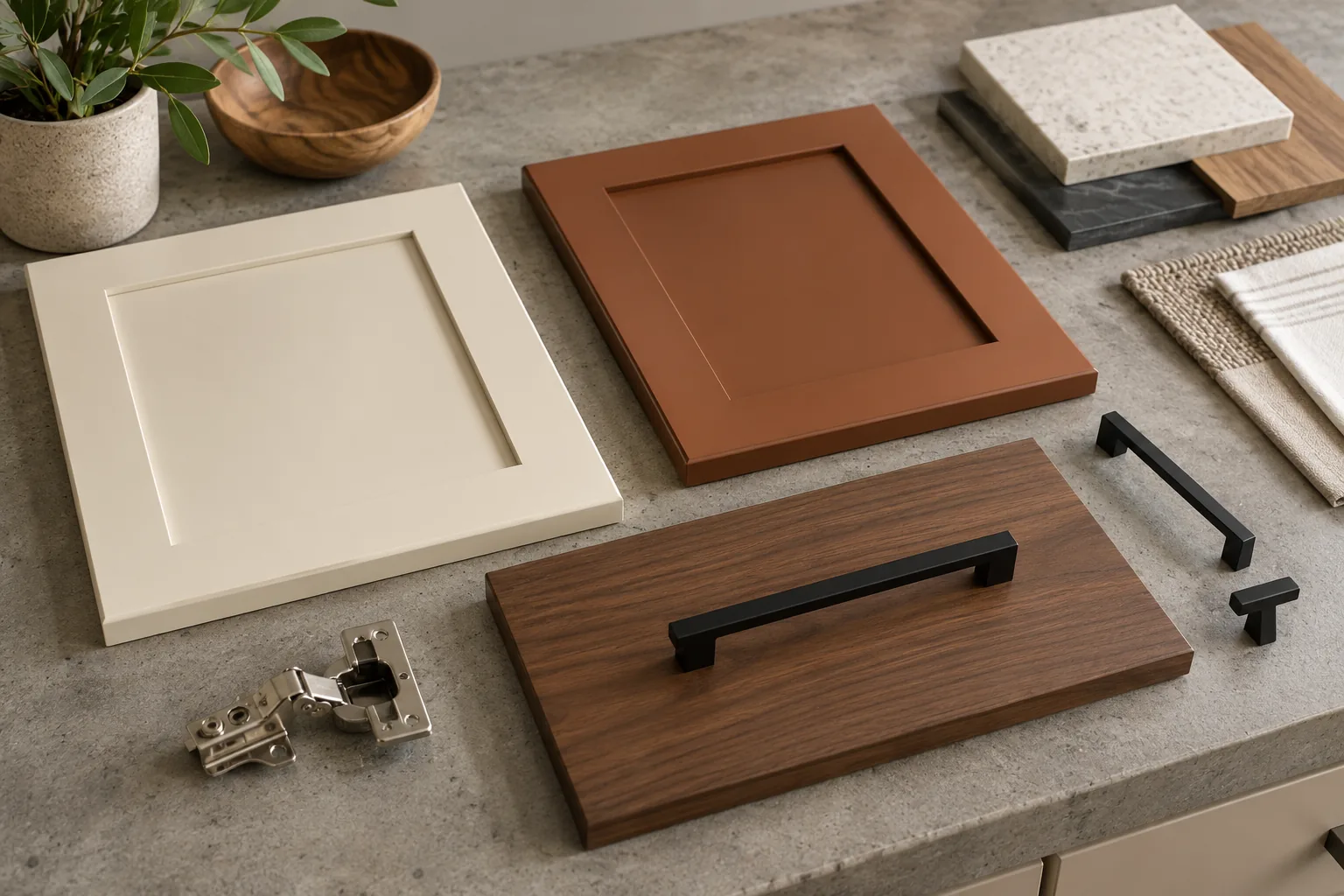
Illustrative product visualizations, not completed work, local properties or supplier facilities.

Prepare the purchase before choosing a supplier
The Framework publishes independent purchasing information. Form details are recorded for the owner to review rather than automatically sent to sellers, and a response is not guaranteed. Begin with the questions below to identify which decisions you can compare now and which need evidence from another responsible source.
About Gaithersburg Cabinet Framework
Know who handles each part
Independent cabinet buying information and quote-request service. We do not manufacture, stock or install cabinets. A referral, supplier response, appointment or purchase is not guaranteed. Product availability, delivery and installation must be confirmed directly with the seller or separately engaged contractor.
Sort preferences from conditions that can change the goods
Write a list of what you want the cabinets to accomplish, then separate those preferences from facts that constrain the purchase. A finish preference, a storage goal and a measured opening do not carry the same status. Labeling them helps someone reviewing the brief understand what can be discussed and what must be confirmed.
For a hypothetical buyer wanting more organized storage around a retained refrigerator, the storage goal can be explored while the appliance information is gathered. The layout should still identify the refrigerator input as a dependency. A product proposal must not treat a guessed model dimension as a confirmed room fact simply because the preferred finish is already selected.
Give each uncertain condition a question and an intended source of the answer. The seller can describe offered configurations; the final layout reviewer can identify dimensional information it needs; the property contact can explain applicable receiving conditions. This makes the next decision visible without assuming one party supplies every answer.
Build the evidence folder around the actual room
Use a labeled sketch, photographs and appliance references to describe the present room. Connect dimensions to walls or openings rather than presenting a loose list of numbers. Mark what you observed, what is proposed and what remains unknown. A preliminary record is useful when its stage can be understood.
The IKEA US planning source in the supplied bank supports preparing room measurements and retained appliance dimensions. Use it to collect inputs, with the actual model information where available. Ask the responsible reviewer how those inputs will be checked before an arrangement supports ordering.
In the hypothetical refrigerator project, retain the original observations when storage alternatives are proposed. If the buyer later changes the appliance or an opening, update the relevant input and affected cabinet positions. A folder that explains those changes is more useful than a polished drawing whose dimensions have no traceable source or current version.
Use municipal planning context to find the right property question
The City of Gaithersburg’s master-plan material addresses land use, housing, transportation and municipal growth. It establishes a planning context, not the type or receiving conditions of an individual cabinet buyer’s property. The purchase record still needs its exact address and relevant responsible contacts.
Ask which locality information actually applies to the project and distinguish it from a mailing or neighborhood label. The guides for Kentlands, Crown and Washington Grove investigate different questions about building use, current destination identity and broader property work. Their inclusion is an editorial choice, not a statement of supplier acceptance.
For your room, identify the party controlling any property condition that affects the purchase. A management instruction or an address-specific answer about proposed work needs its own source. Do not transfer a community description into a cabinet dimension, assumed loading facility or approval conclusion. Planning context helps frame the investigation while the actual property record supplies the order inputs.
Choose product evidence that answers the storage priority
Describe each requested configuration and its position in the room. Ask a seller to identify the actual line, finish, hardware and included accessories it proposes. A storage priority should be compared with the offered internal arrangement, not only with the appearance of the fronts.
For the hypothetical refrigerator project, an alternative could change nearby storage while leaving the appliance in place. Ask which units and accompanying pieces differ, and why the alternative addresses the intended use. Keep it as a named option rather than mixing its attractive features into an earlier schedule.
If construction certification matters, request evidence applying to the exact offered line. KCMA’s source identifies a kitchen and vanity performance and construction standard, but does not certify an unknown proposal. Keep product specifications and any sample information with the option they describe. Evidence should follow the selected goods rather than remain attached to a broad brand impression.
Compare cost with unresolved tasks still visible
Identify quantities, box configurations, finish, accessories and accompanying goods in each proposal. Obtain actual freight or pickup and any stated assembly or carrying scope. An attractive product total cannot explain the tasks left outside it, so keep those tasks beside the goods rather than assuming another participant covers them.
External installation, removal or other work needs a separately engaged provider’s agreement. The FTC’s supplied advice supports comparing written home improvement estimates by work, materials and price. It does not establish local cabinet pricing or labor included in a seller’s product offer.
Preliminary estimates can be revised; the final written quote should establish the offered price and inclusions for the chosen version. In the refrigerator example, identify whether a change affects goods, handling or external work. A missing figure remains an unresolved budget condition and should not be counted as a confirmed saving when deciding between actual offers.
Turn the folder into an inquiry and then an approval record
An initial inquiry can explain the intended change, actual address, available room inputs and the specific question you want to resolve. Include a preliminary schedule if you have one. Make its status clear so a reviewer can see which decisions are exploratory and which conditions already have evidence.
Before an order, bring the selected drawing, item schedule and seller’s written offer into agreement. Name the person who confirms measurements, the purchaser who approves goods and the receiver who checks delivery. They need current references even if each participated in only part of the discussion.
Keep approved substitutions and final receiving instructions with that version. If an input changes, revisit the products or tasks that depend on it. The Framework’s buying information is useful when it helps you move from preference to supported decision without disguising what remains unknown. The final record should explain why the actual goods and agreed responsibilities fit the purchase you intend to make.
Inquiry process
From buying questions to a possible supplier quote
Sending an inquiry does not reserve products or book work.
Describe the purchase
Include project ZIP, room, approximate cabinet list and preferred timing.
Clarify requirements
Identify assembly, access, measurements and any separately arranged labor.
Confirm referral availability
An inquiry can be referred only if a suitable seller accepts the location and product request.
Review seller terms
Confirm the final drawing, itemized price, payment, delivery and return terms directly before ordering.
Local buying information
Local inquiry guides
Questions
Questions Gaithersburg homeowners ask
Which cabinet decisions can I explore before measurements are final?
You can investigate preferences and possible configurations while labeling the dimensional inputs as preliminary. Identify which conditions could change the goods and who will confirm them. Do not treat an exploratory arrangement as an accepted order drawing until its relevant inputs are resolved.
How should I record a retained refrigerator in the brief?
Identify the actual model and available dimensional information, with its position in the room. Ask the responsible layout reviewer which operating relationships need checking. If the appliance changes, update the input and revisit the affected cabinet positions.
Can city planning material confirm my property’s receiving conditions?
It gives municipal context rather than an assessment of your destination. Use the address and the party controlling the property to obtain current instructions. The seller must separately describe its offered handoff and actual acceptance of the purchase.
What makes an inquiry different from order approval?
An inquiry identifies questions and may include preliminary inputs. Approval needs an identifiable accepted version of the goods, drawing and actual seller terms. Keep the responsible approver and receiver named so exploratory information is not mistaken for a final instruction.
Send my cabinet inquiry
Or call (562) 203-3232. Calls only, we do not receive text messages.
Talk to us about your project
Describe the purchase and project ZIP in Gaithersburg. Supplier acceptance and any referral are confirmed separately; no visit or quote is booked by this form.
Calls only, we do not receive text messages.